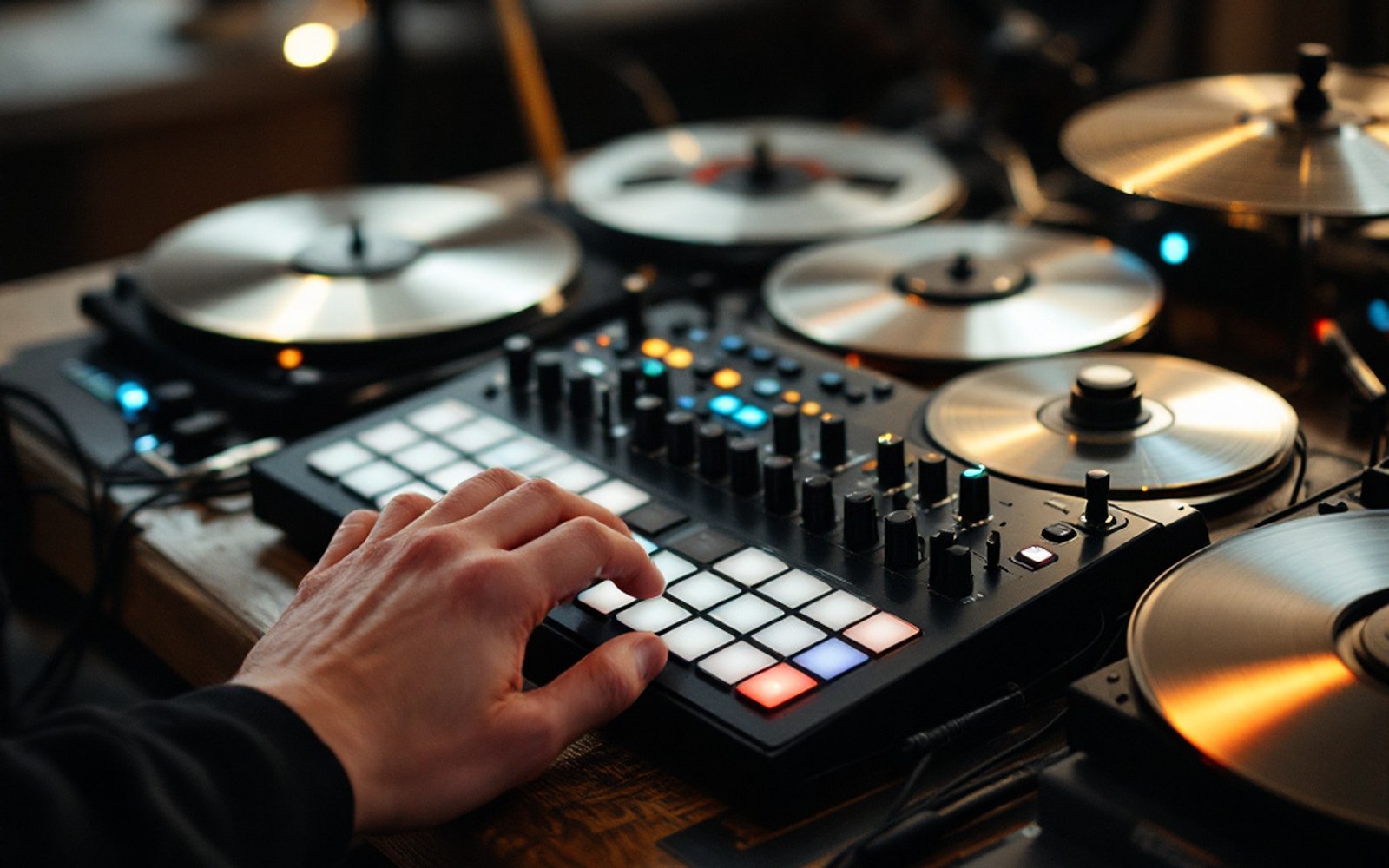
A 02 · Three Arguments
Same guitar, same drum kit, three arguments
The instrumentation barely changed; what changed was what each scene decided the middle of a record was for.
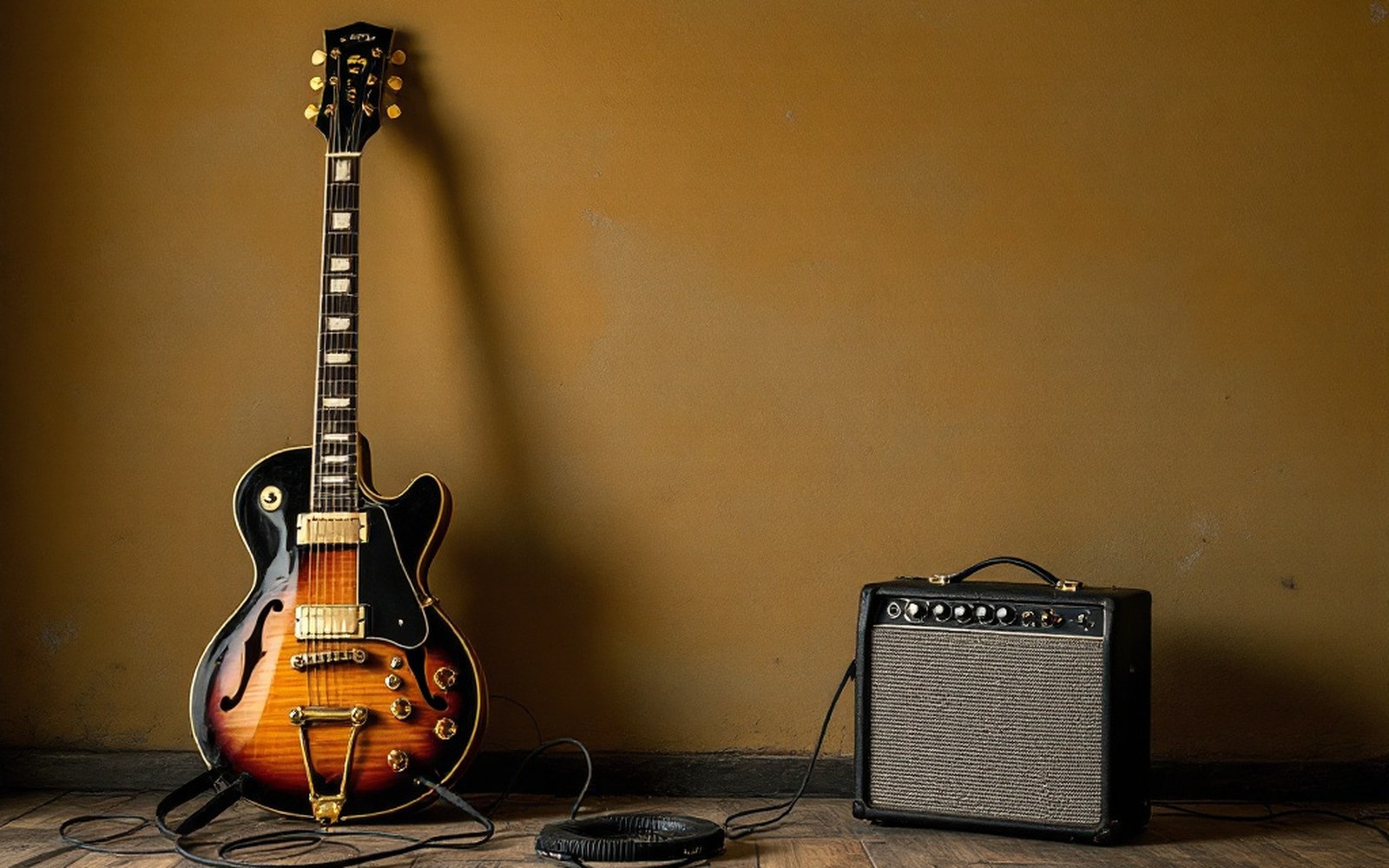

A 01 · The piece to read first
Post-punk was a method: take the same instruments and refuse the same arrangement. Goth and darkwave are what happened when parts of it turned toward atmosphere and the drum machine.
They overlapped almost completely in time, shared studios and engineers, and in several cases shared personnel. Between roughly 1978 and 1982 the same four-piece and the same modest kit produced three aesthetics that disagree with each other at the level of intent. Read the piece
The line this site keeps returning to
The drum machine did not replace the drummer. It replaced the argument.
The drummer had opinions about tempo, wanted the chorus to breathe, and owned the van. A tempo entered into a sequencer played at that tempo every time. What changed was not the sound but who had to agree.

Four more worth the click
A 02 · Three Arguments
The instrumentation barely changed; what changed was what each scene decided the middle of a record was for.
Martin Hannett’s production put silence and distance where a rock producer would have put density, and that decision defines the era’s sound.
Once a box could keep time for the price of a guitar pedal, a band no longer needed to agree with a drummer about anything.
Matrix numbers and scratched messages in the runout are the closest thing these records have to a signature.
Factory numbered everything it touched, 4AD decided how the records looked, and Mute carried the synthesiser lineage.
The site divides four ways