What was in the room
Three labels. Three different answers to the question of what a record is for.
Named on this page
- Factory Records
- 4AD
- Mute
- Tony Wilson
- Alan Erasmus
- Martin Hannett
- Ivo Watts-Russell
- Peter Kent
- Vaughan Oliver
- Nigel Grierson
- John Fryer
- Blackwing
- Daniel Miller

The label as infrastructure
Factory Records, 4AD and Mute Records emerged from the same compressed window of post-punk productivity — roughly 1978 to 1982 — and each one built a physical and contractual world around the music it signed. That world shows up on the objects themselves: in the matrix numbers, the sleeve dimensions, the catalogue system, the machinery credited on the back. The label was not just a business arrangement. It was a set of aesthetic decisions made before the first microphone was placed.
Label signatures
Factory
Manchester · the FAC series
A catalogue number for every object the label produced — flyer, lawsuit, nightclub, liquidation. Records sat inside the same sequence rather than above it.
4AD
London · v23
Vaughan Oliver’s design partnership formalised the label’s visual grammar from 1983, working with photographer Nigel Grierson. A release was identifiable by sight.
Mute
London · the grid
Founded by Daniel Miller as a vehicle for his own recordings. The name was a production instruction: reduce the unnecessary, let the machine’s timing be the grid.
Factory: the catalogue as philosophy
Factory’s obsession with numbering is well documented and genuinely strange. Every object the label produced — including a Factory Records lawsuit and, eventually, the label’s own liquidation — received a catalogue number in the FAC series. FAC 1 was the flyer for the Factory Club nights at the Russell Club in Manchester in 1978. FAC 51 was the Haçienda nightclub. Records sat within the same sequence, not separated from posters, films or architectural projects into a clean hierarchy of importance. The number was the fact; everything else followed from it.
The number was the fact. Everything else followed from it.
For the actual recordings, this meant that a sleeve, a matrix inscription and a running order arrived as a unified design decision rather than a sequence of afterthoughts. Tony Wilson and Alan Erasmus had set the label up with a shareholder agreement that gave artists full ownership of their recordings — a genuinely unusual position at the time — and the effect on studio behaviour was real. Joy Division could record at Strawberry Studios in Stockport or at Britannia Row in London and bring the result directly to a pressing plant without a commercial approval chain intervening. Martin Hannett, who produced Joy Division’s studio albums, was able to make the records sound the way they sound — isolated, compressed, spatially disorientating — partly because nobody above him in the structure was demanding a more radio-friendly middle.
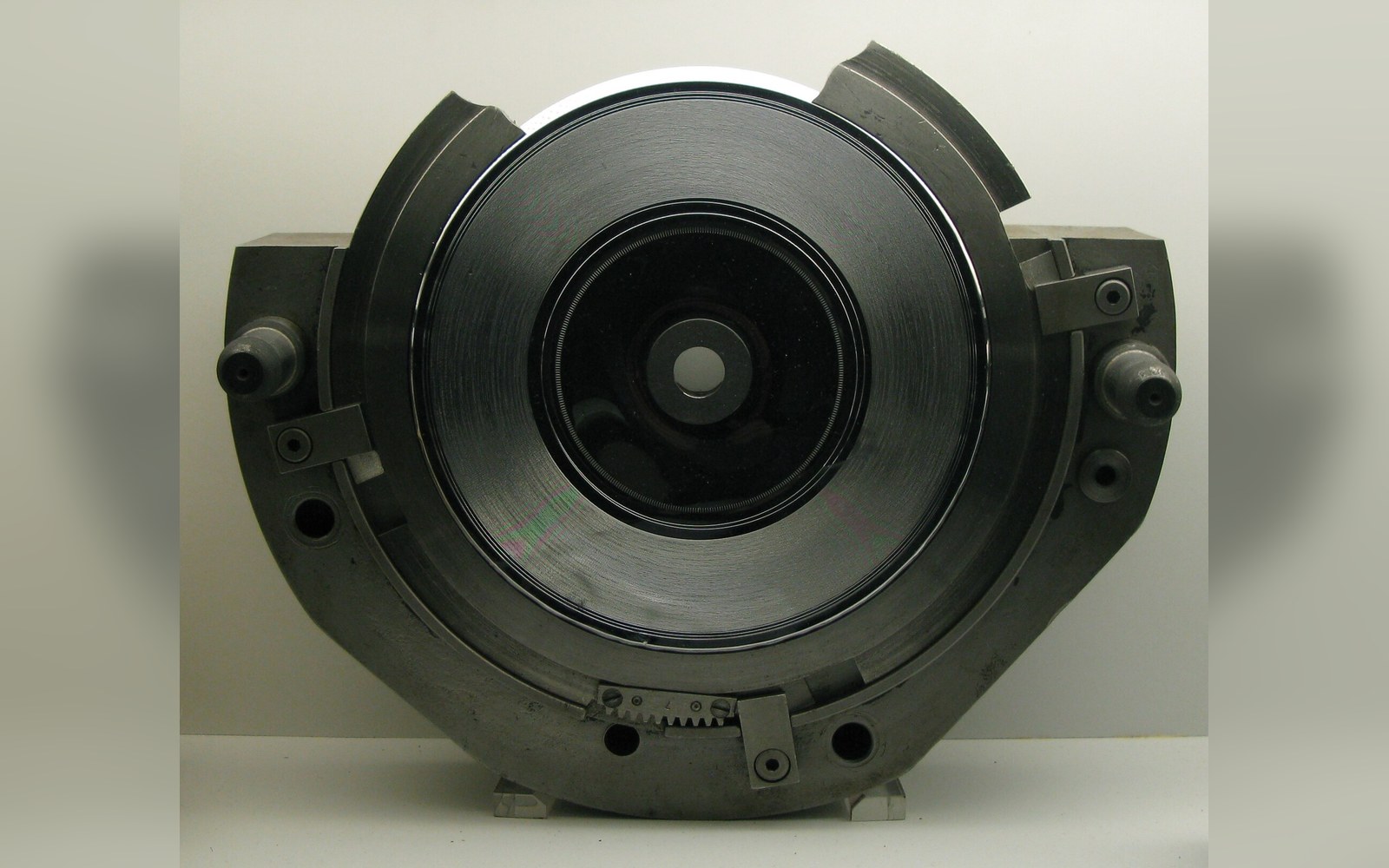
What Hannett did with the room was inseparable from what Factory’s structure permitted. At Strawberry, he would record elements separately at odd hours, treat the drum kit as a sound-design object rather than a rhythmic anchor, and add plate reverb and tape delay at the mix stage rather than during tracking. The results were not accidental — they were the direct consequence of a label structure that declined to mandate normality. The matrix numbers scratched into the runout grooves of those records sometimes carried Hannett’s own marks alongside the pressing information, small evidence that a person had stood at the lathe and made a decision.
Factory’s catalogue philosophy also had a practical effect on documentation. Because everything was numbered, later researchers and archivists could establish a rough chronology of the label’s output by cross-referencing FAC numbers against dated materials. It is an eccentric gift to history from a label that could not always pay its pressing bills.
4AD: the sleeve as the record
4AD started in 1979 under Ivo Watts-Russell and Peter Kent, operating initially out of the same Beggars Banquet distribution infrastructure that had launched the label. The early releases were unremarkable in design. What changed the label’s visual signature almost completely was the arrival of Vaughan Oliver as house designer — working first as a freelance contributor and then, from 1983, through the design partnership v23 — and the collaborative relationship he developed with photographer Nigel Grierson.
What this produced was a design language in which the sleeve was not an illustration of the music but a parallel artefact. Cocteau Twins records, Dead Can Dance releases, the This Mortal Coil compilations: each one arrived in packaging that used blurred photography, non-representational typography and deliberate obscurity to create an object whose meaning resisted easy reading. The 4AD sleeve decided what the music was before the listener had placed the needle.
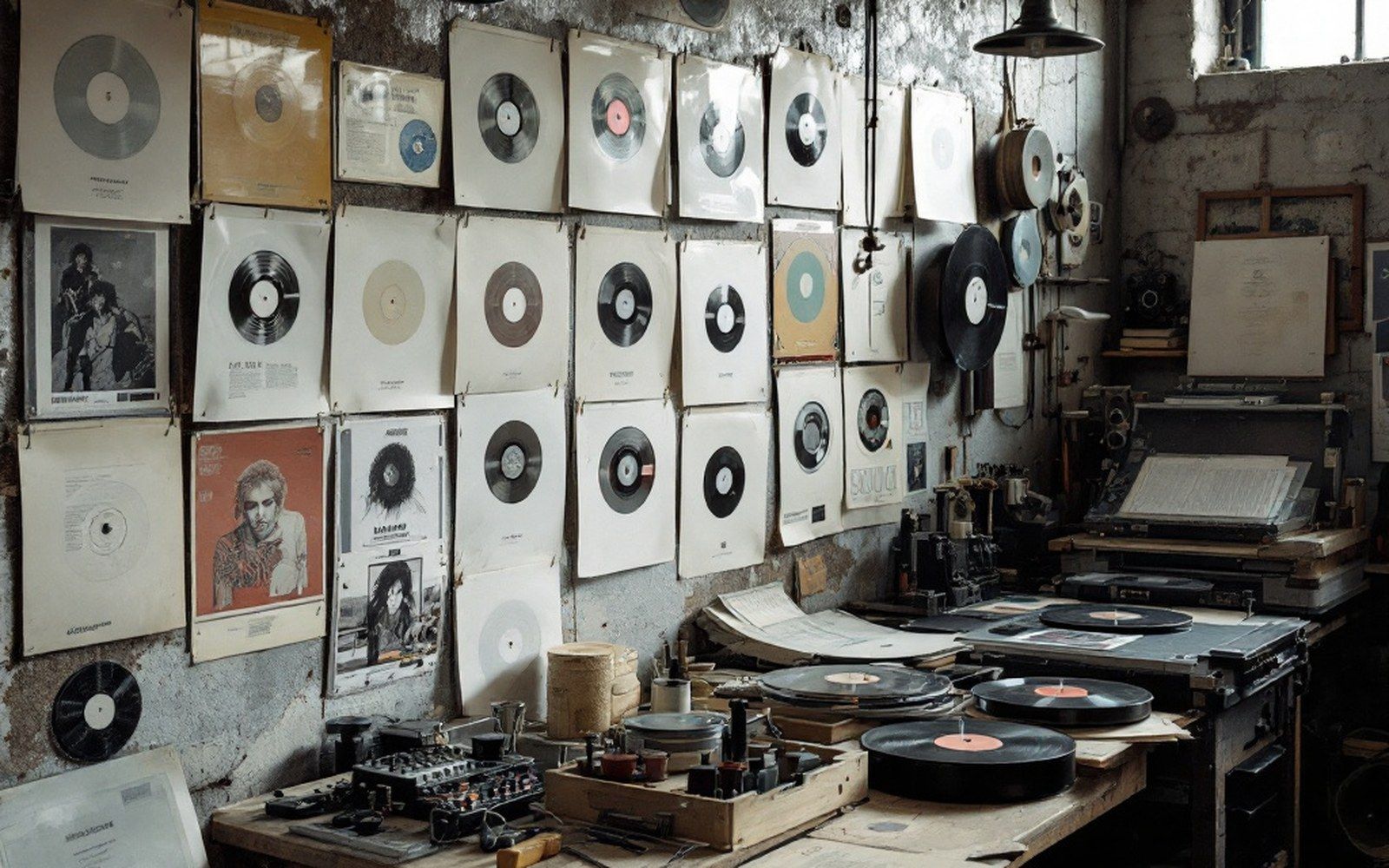
In studio terms, 4AD’s preferred rooms and engineers leaned toward the atmospheric end of the available spectrum. John Fryer, who engineered extensively for the label through the early and mid-1980s, worked at Blackwing Studios in London — a converted church in Southwark that gave records a natural reverberant quality before any processing was applied. The room itself was part of the sound. Fryer’s approach to treatments — heavy use of effects, layered vocals tracked through chorus pedals and digital delay, bass lines that functioned more as tonal environments than as rhythmic guides — matched what the label’s aesthetic demanded. The studio’s architecture reinforced the sleeve’s claim about what kind of object the record was.
4AD never had Factory’s cataloguing rigidity, but it had something arguably more powerful: a consistent visual grammar that allowed listeners to identify a 4AD release by sight before reading the artist name. The label’s design decisions became so recognisable that they functioned as a genre marker in themselves.
Chronology
- 1978Factory Club nights begin and FAC 1 is issued; Mute Records is founded and Daniel Miller releases as The Normal
- 19794AD launched under Ivo Watts-Russell and Peter Kent
- 1980Depeche Mode signed to Mute
- 1983Vaughan Oliver’s v23 formalises 4AD’s visual grammar; Einstürzende Neubauten sign to Mute
- 1984Nick Cave and the Bad Seeds join the Mute roster
Mute: the machine in the contract
Mute Records was founded by Daniel Miller in 1978, initially as a vehicle for releasing his own recordings under the name The Normal. The early Mute single, “T.V.O.D.” / “Warm Leatherette”, was made on a modest array of synthesisers and drum machines in Miller’s home environment — the label’s first act was also its first demonstration of what a small electronic setup could accomplish without a conventional studio. That founding condition never quite left Mute’s identity.
The synthesiser lineage Mute carried was not merely technological. It was contractual and curatorial. Miller signed Depeche Mode in 1980, Einstürzende Neubauten in 1983, Nick Cave and the Bad Seeds in 1984. The label’s roster mapped, imperfectly but recognisably, onto a spectrum of music that had decided the drum machine was not a compromise but a primary instrument. When drum machines became cheap enough to be the obvious first purchase for a bedroom producer, Mute was structurally positioned to be where those producers brought their tapes.
Miller’s own production sensibility — clean low end, synthesiser parts recorded direct rather than through a room, precise sequencer timing — informed what Mute records sounded like at the mix stage even when different engineers handled tracking. The label’s name was a production instruction as much as a brand: reduce the unnecessary, let the machine’s own timing be the grid.
What connected Factory, 4AD and Mute was not genre — the music they released was genuinely varied — but a shared understanding that the label itself was a production decision. The room, the sleeve, the catalogue number, the studio’s architecture, the machine’s tempo clock: all of it was infrastructure, and infrastructure shapes sound. These three labels made that argument before most of the industry had noticed there was an argument to be made.
Related pages