Hannett took the guitars out of the middle
What a plate reverb actually does
A sheet of steel in a box, and the reason those records sound like a large cold room nobody was standing in.
Named on this page
- EMT
- EMT 140
- Kippenheim
- Martin Hannett
- Strawberry Studios
- Arrow Studios
- Joy Division
- Blackwing
- 4AD
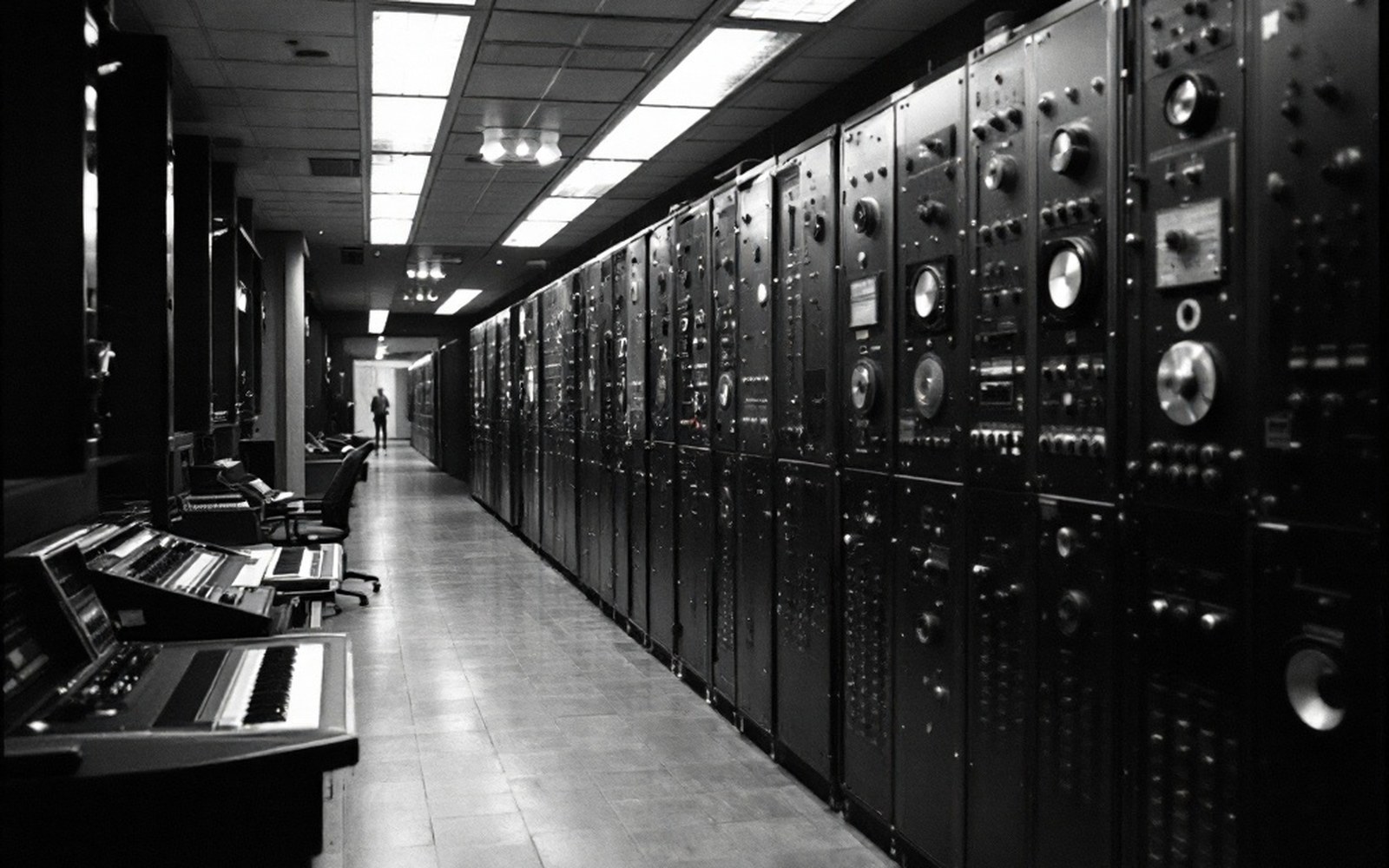
A sheet of steel in a box
A plate reverb is not a simulation of a room. It is a physical object: a large sheet of steel, suspended under tension inside a sealed cabinet, driven by a transducer at one point and read by contact microphones at two others. The incoming signal causes the plate to vibrate; those vibrations travel across the metal and decay in a pattern that sounds, to the ear, like a very large, very reflective space. EMT in West Germany built the first commercially successful unit, the EMT 140, in 1957, and the 140 went on to become the standard in serious studios through the 1960s and 1970s. By the time post-punk was being made, an EMT plate was not exotic equipment — it was the room that studios had always had.
What the plate gives you is a decay that is dense almost immediately after the attack, without the distinct early reflections you get in a real room. There is no flutter, no slap — just a smooth, sustaining wash. Adjust the damping panel inside the cabinet and the decay time lengthens or shortens; that is the only real variable. The result consistently suggests a large space, and consistently refuses to specify which one. It is the reason those records sound like they were made somewhere cold and cavernous, even when they were made in a modest studio on an unremarkable afternoon.
How the object works
Transducer
The driver that converts the audio signal into physical vibration in the steel plate.
Contact mics
Two pickups reading the vibrations across the plate, producing the stereo output.
Damping panel
An adjustable felt or foam surface; moving it closer to the plate shortens the decay.
Decay time
How long the tail lasts before it falls below audibility — the plate’s only real variable.
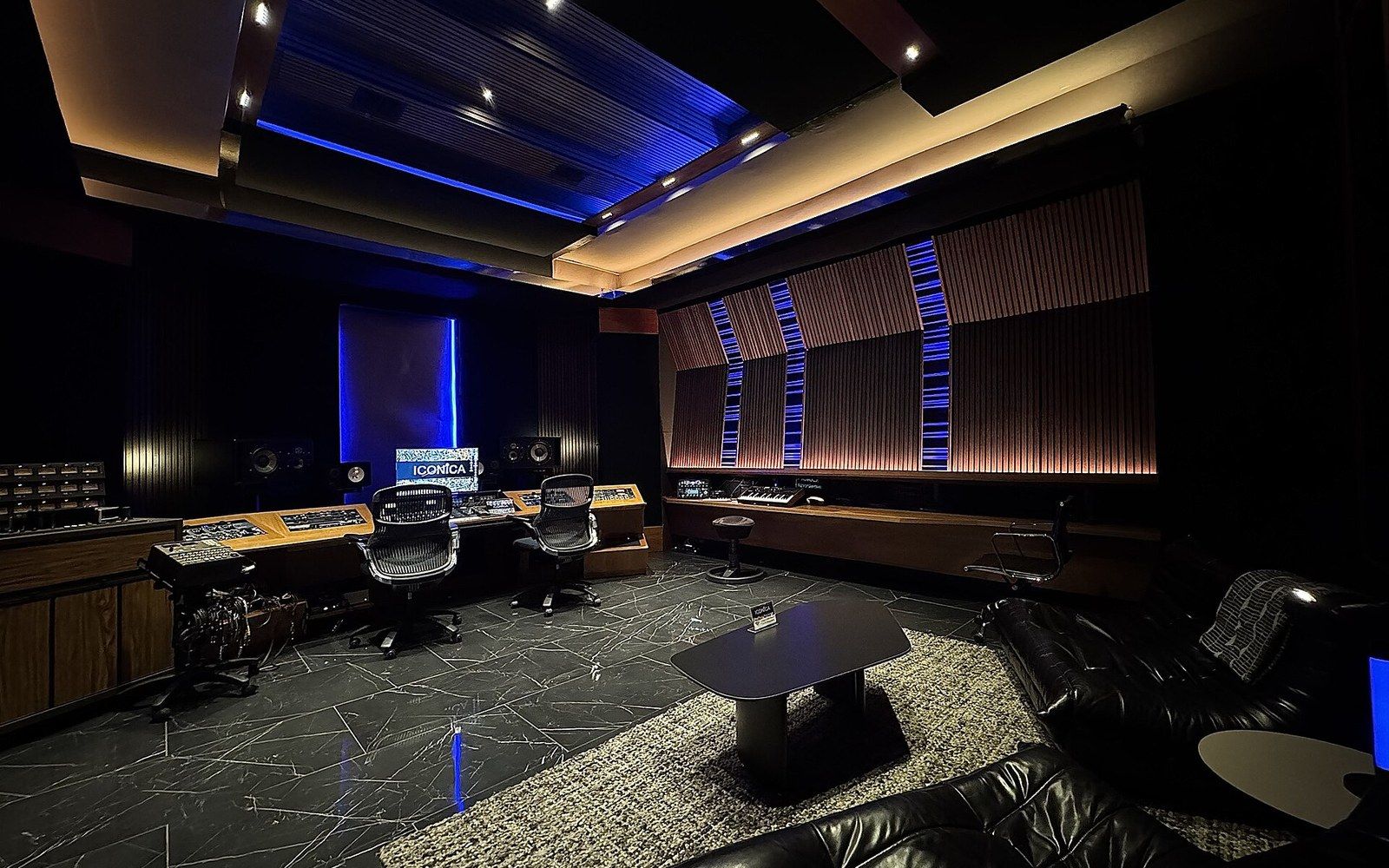
Martin Hannett used plate reverb as architecture. At Strawberry Studios in Stockport and later at Arrow Studios in Manchester, he would take a drum part — already isolated, already delayed — and treat it to trails of plate that implied far more distance than the physical room contained. The snare hit lands, then the reverb bloom arrives a fraction late, making the two events feel separated by space that does not exist. Listeners have been describing Joy Division recordings as cavernous for decades; the cavern is largely a steel sheet, roughly two metres by one, inside a box mounted on a wall.
The cavern is a steel sheet in a box mounted on a wall
The EMT 140 weighed around 270 kilograms, which meant it stayed where it was bolted. It was not hired in for a session; it defined the character of the room that owned it. Studios that had one sounded different from studios that did not. 4AD productions from Blackwing in South London carry the same plate character — long, smooth, immediate in density — because the tool was the same tool. By the early 1980s, digital reverb units began to model the plate response, but modelling and the object are not the same thing. The EMT 140 imposes its own physics; the digital unit imposes someone’s measurement of those physics, which is a different process with a different result.

Related pages