The only part of a pressed record that carries a person’s handwriting
Between the last groove and the label, a few millimetres of blank vinyl holds the only mark a pressing plant worker left by hand.
Named on this page
- George Peckham
- Porky’s Prime Cuts
- Factory Records
- Mute Records
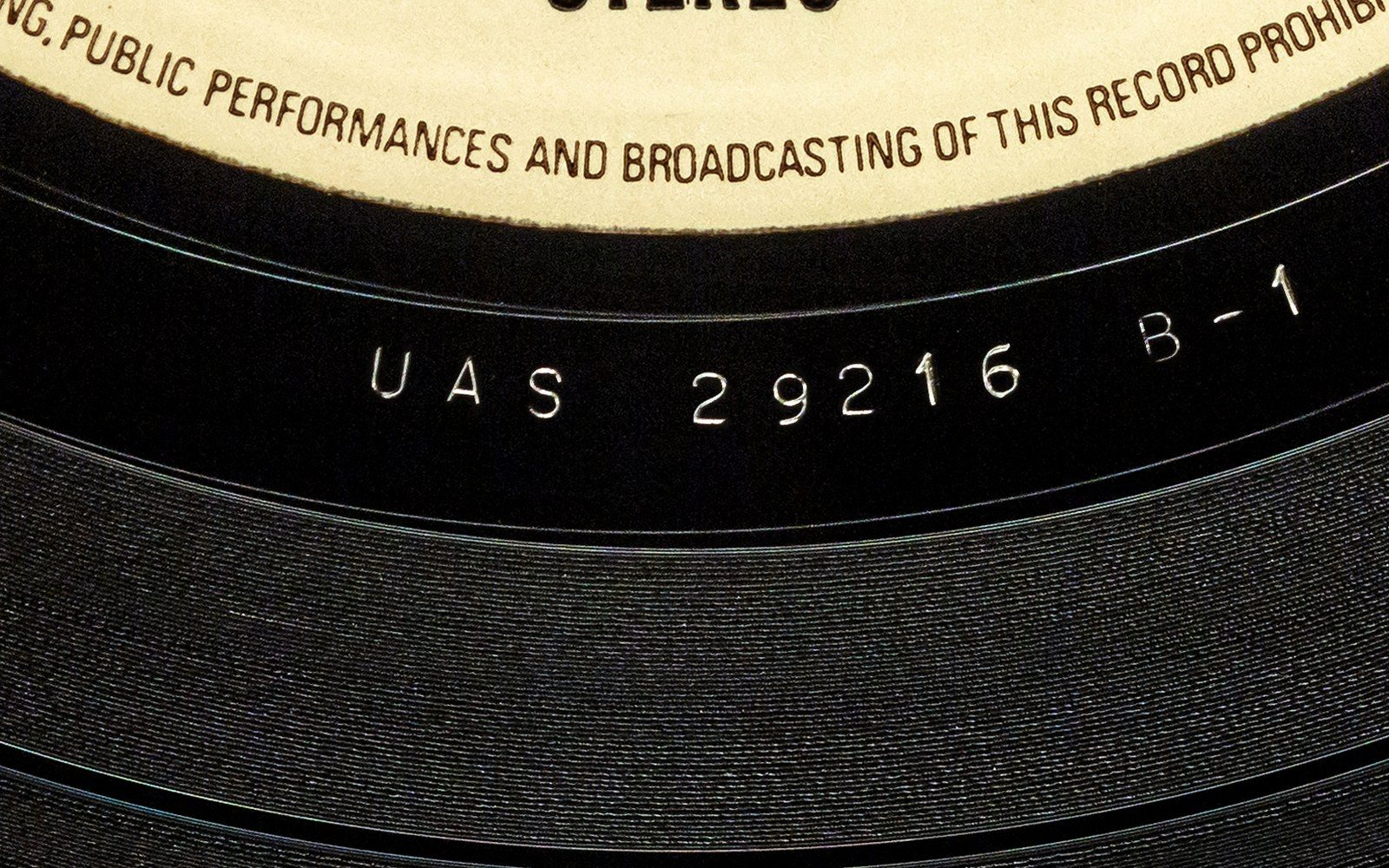
The groove nobody plays
When a lacquer disc is cut at a mastering studio, the cutting lathe leaves a locked groove at the centre, and between that groove and the paper label is a narrow band of unmodulated vinyl: the runout. Into that band, a mastering engineer — or sometimes a pressing plant lackey with a metal scribe — cuts or scratches an alphanumeric code called the matrix number. It identifies which lacquer, which side, which pressing generation. FAC 10 A-1, say, tells a researcher everything about where that particular disc sits in Factory Records’ production chain.
The number is functional. What surrounds it is not.
Starting roughly with the progressive and art-rock pressings of the early 1970s and accelerating through the post-punk era, mastering engineers began adding short inscriptions by hand — a phrase, an in-joke, an instruction, occasionally an insult. The practice required nothing: a pointed tool, a few seconds of nerve, and the understanding that most buyers would never notice. Those who did were already the kind of listener who read the runout before dropping the needle.
Key terms
| Term | What it refers to |
|---|---|
| Matrix number | The alphanumeric pressing code cut into the runout, identifying lacquer, side and pressing generation |
| Runout groove | The unmodulated band of vinyl between the last audio groove and the paper label |
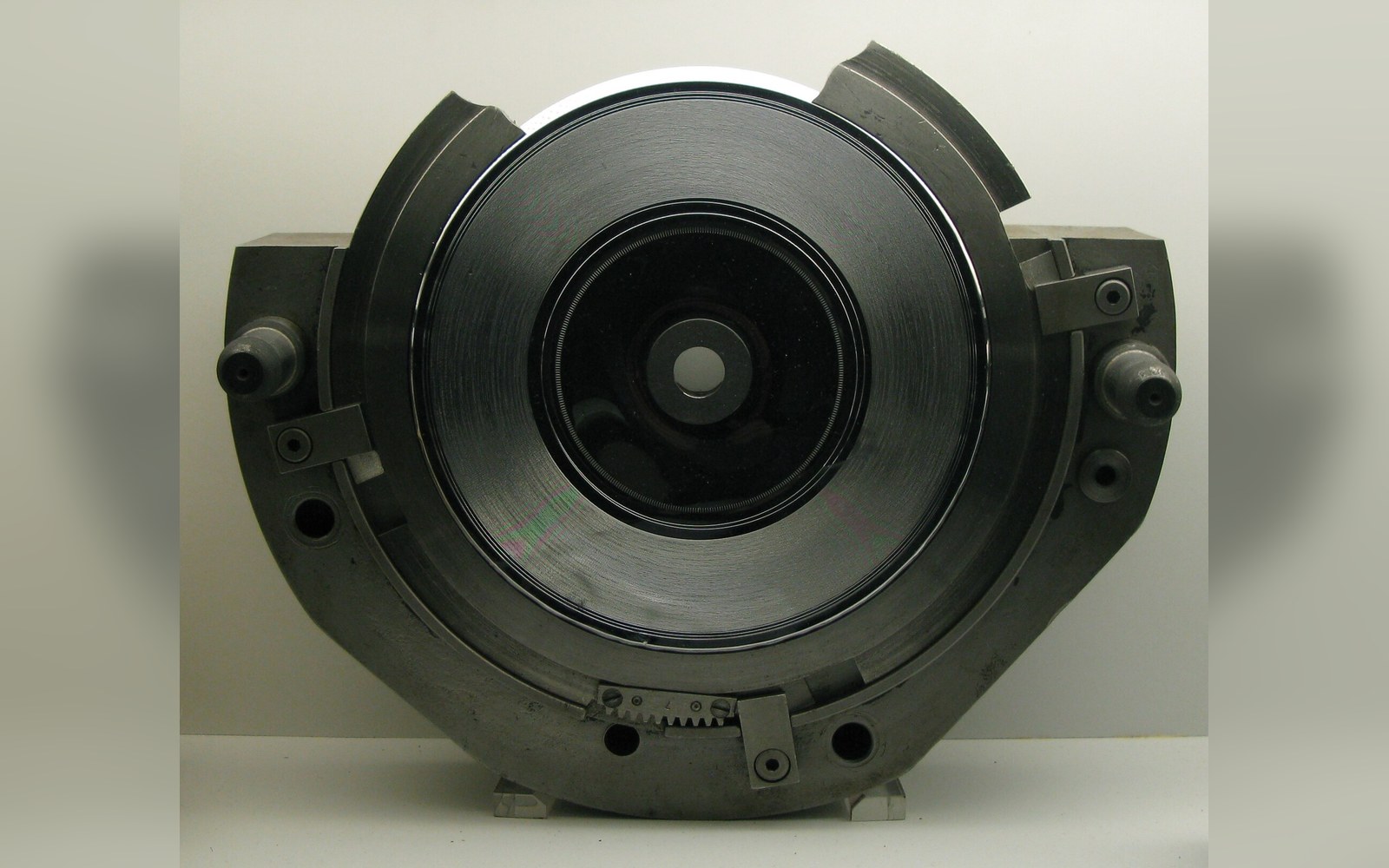
| Lacquer | The aluminium disc coated in nitrocellulose on which the original groove is cut — the source for all pressing |
Table scrolls sideways →
At Porky’s Prime Cuts, the London mastering room run by George Peckham, the signature “Porky” or “Pecko Duck” began appearing in runouts in the mid-1970s. Peckham’s handwriting became a mark of quality — and of a specific sonic character, since the room’s cutting decisions shaped the dynamics of the records as much as the inscription shaped their mythology. Early Factory pressings, cut at a variety of mastering facilities, carry matrix sequences that discographers have used for decades to date pressings and distinguish originals from reissues.
The messages varied from the laconic to the nearly theological. A pressing might carry only “A-1”; another from the same label in the same year might read something closer to a private joke between the engineer and whoever commissioned the cut. None of it affected playback. All of it survived because vinyl, once pressed, is permanent in a way that a digital file timestamp is not.
For collectors working through the post-punk and darkwave catalogue, the runout is a primary document. A first pressing of a Mute Records single can be distinguished from a later run by its matrix suffix alone, and the handwritten characters confirm which lacquer generation was in use. The handwriting is not decoration. It is the closest thing these records have to a chain of custody — a signature on a document that, unlike most documents, gets played.

People and rooms
George Peckham
Mastering engineer · London
His handwritten “Porky” signature became a recognised quality mark on British pressings through the 1970s and 1980s — an inscription that also implied a set of cutting decisions.
Named in the record, not in the mix
Porky’s Prime Cuts
Mastering room · London
Its runout inscriptions are a reference point in post-punk discography, used to identify which room cut a given lacquer.
Related pages