Same guitar, same drum kit, three arguments
Four songs in, one nine-minute take out
The length of “Bela Lugosi’s Dead” was not a problem the edit solved — it was what the room produced.
Named on this page
- Bauhaus
- Beck Studios
- Wellingborough
- Northampton
- Alan Dodd
- Peter Murphy
- Kevin Haskins
- Daniel Ash
- David J
- Small Wonder Records
- 4AD
One take, one side
Bauhaus recorded “Bela Lugosi’s Dead” at Beck Studios in Wellingborough on 26 January 1979, about four songs into their first proper session. The band were relatively new — formed the previous year in Northampton — and the song was already a live fixture, familiar enough that they could sustain it without a map. The single take ran to approximately nine minutes, and producer Alan Dodd and the engineer are credited on a session that cost almost nothing by industry standards of the time.
What Dodd captured was built on a drum pattern that Peter Murphy described as skeletal, Kevin Haskins locking into a sparse, repetitive figure rather than filling every bar. Daniel Ash played guitar through a dub-influenced reverb wash, and David J’s bass carried most of the melodic weight — a low, articulate line that would define the song’s movement for its entire duration. Murphy’s voice sat high in the mix, theatrical but dry relative to the room sound beneath it. The arrangement did not develop so much as breathe: the nine minutes justify themselves not through modulation or a bridge, but through the patience of the players and the consistency of the texture.
Session fact
| Detail | On the record |
|---|---|
| Room | Beck Studios, Wellingborough — not a major city studio; a regional facility used for a budget session |
| Date | 26 January 1979 |
| Label | Small Wonder Records (1979); later 4AD, on the 1982 compilation |
| Format | Twelve-inch single, full take on one side, unedited |
Table scrolls sideways →
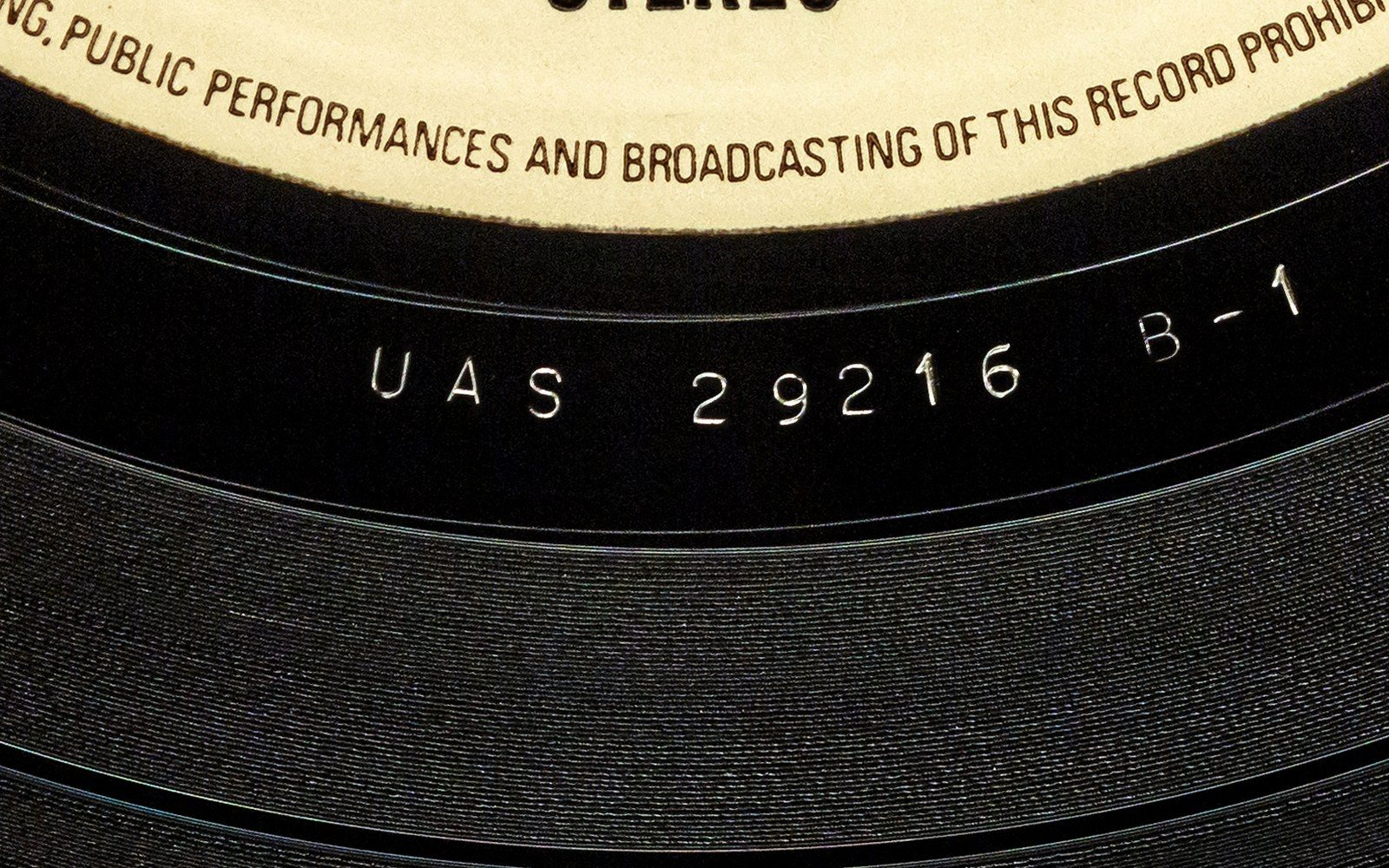
Small Wonder Records released it in August 1979 as a twelve-inch — a format then still mostly associated with disco and club play, but practical here because it allowed the full take to sit on one side at a playable level. Nothing was trimmed. The length was the statement, not an indulgence waiting for a remix. That decision, to press exactly what the room produced, gave the record its authority: this is what nine minutes of one idea sounds like when it is completely inhabited.
It reached a wider audience in 1982 through the Press the Eject and Give Me the Tape compilation, by which point the genre the take had helped define had already named and scattered itself.
Related pages