Same guitar, same drum kit, three arguments
Same guitar, same drum kit, three arguments
The instrumentation barely changed; what changed was what each scene decided the middle of a record was for.
Named on this page
- Premier
- Ludwig
- Martin Hannett
- Strawberry Studios
- Arrow Studios
- Andrew Eldritch
- Wayne Hussey
- Cargo Studios
- RAK
- Eel Pie
- Boss CE-1
- Factory
- 4AD
- Mute
The gear stayed put
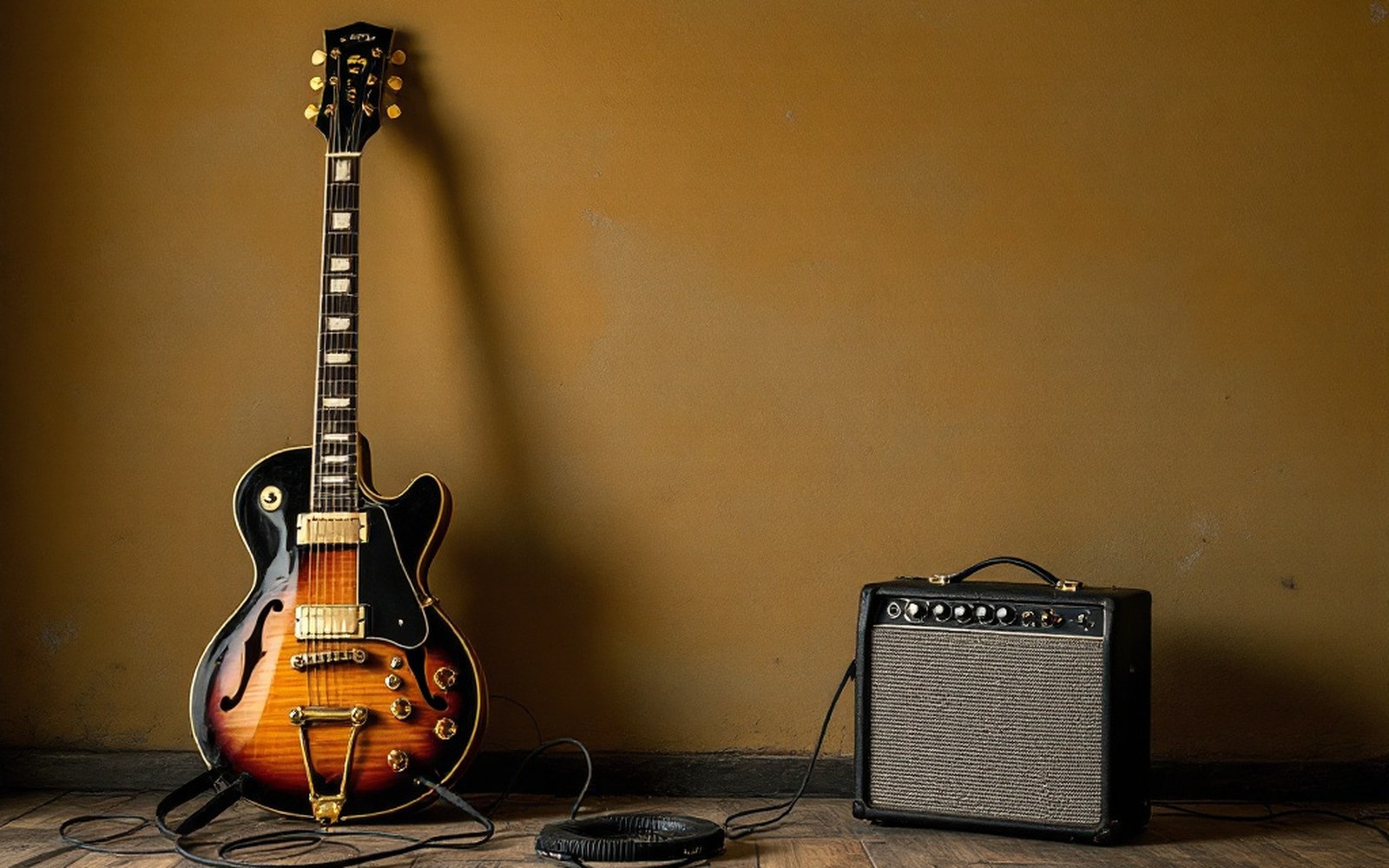
Walk into a rehearsal room in Manchester, London or Leeds in 1979 and the inventory was almost identical wherever you went: electric guitar through a solid-state or small valve amp, bass guitar, a drum kit — usually a modest one, a Premier or a Ludwig knock-off with a single kick — and a microphone into whatever the venue or studio had on hand. The chord vocabulary was similarly reduced: open fifths, suspended shapes, the occasional minor second left to ring without resolution. Post-punk inherited all of this from punk, kept the economy of means, and then asked what the surplus of ideas it had just stripped the music down to find was actually supposed to do.
The answer differed decisively between scenes, and the difference is audible in the mix. Not in the notes, but in the arrangement decisions — what goes where, what gets doubled, what is left absent from the frequency range where, in a classic rock record, the lead guitar would normally live. Three broad directions emerged from the same four years and largely the same box of hardware, and they disagreed with each other at the level of intent.
Frequency-range decisions — the three positions
| Scene | What happened between the kick drum and the top of the vocal |
|---|---|
| Post-punk | Centre of the mix emptied, bass raised, guitar pushed to the edges or made rhythmic |
| Goth | Centre filled with heavily processed, chorused guitar used as texture and atmosphere |
| Darkwave | Centre given to synthesiser pads or arpeggios; guitar demoted to colour, or converted into a keyboard-like voice by chorus |
Table scrolls sideways →
What the middle was for
Post-punk treated the centre of the stereo field as a contested zone, something to be managed rather than filled. The bass was pushed forward, often carrying the melodic weight that a guitar would carry in a rock arrangement. The guitar was moved to the edges — panned hard or placed in a way that made it feel peripheral — or else it was used rhythmically rather than harmonically, scratching across muted strings rather than voicing chords with any body. Martin Hannett did this structurally at Strawberry Studios and Arrow Studios in Manchester, building records for Factory Records that treated silence as a production element with the same seriousness a conventional producer might give to overdubs. The space where guitars would have been was not filled — it was shaped, reverbed, and presented as a feature.
Goth, as it settled into its conventions between 1980 and 1983, made a different decision. The guitar came back to the middle, but it arrived processed almost beyond recognition as a guitar. Andrew Eldritch and Wayne Hussey, working with each other and later apart, used walls of distorted and chorused strings as texture rather than as statement. The sonic result is dense rather than spacious: a record like Reptile House by the Sisters of Mercy, produced at Cargo Studios in Rochdale in 1983, sits the guitar in the middle of the mix and drowns it in a cavernous natural reverb and the machine-locked pulse of a drum machine running without variation. The arrangement is full rather than empty, but it is full of atmosphere rather than of parts. The bass still matters — it always does in this lineage — but it supports the wall of guitar rather than displacing it.
Darkwave, arriving slightly later and more firmly rooted in synthesiser textures, reached a third answer. The guitar often remained, but it was demoted to one element among several keyboard layers. The middle of the record was handed to a pad synthesiser or a sequenced arpeggio, with the guitar either processed through a chorus pedal into something resembling a second keyboard, or treated as a colour detail rather than a structural voice. The drum machine here was usually programmed with more delicacy than goth’s thunderous, locked-in beat: lighter, more varied, sometimes triggering sounds that bore only a distant relationship to any drum anyone had ever physically hit. The arrangement logic was cinematic — each instrument contributing to an effect that was more about mood and temperature than about the relationship between rhythm section and guitar.
The chorus pedal’s three functions
One inexpensive piece of circuitry, three decisions about what a record was supposed to feel like
Post-punkAvoided, or used sparingly — lushness was politically suspect.
GothApplied heavily, thickening guitar into a string-like texture.
DarkwaveUsed to make the guitar sound like a synthesiser — the instrument crosses over.
The same kit, three rooms
What makes this comparison genuinely useful rather than merely taxonomic is that the physical starting point was so consistently shared. The drum kit was often the same kit or the same category of kit. Gated reverb, the effect that defined certain early 1980s drum sounds, was available to everyone; whether a producer applied it aggressively, subtly or not at all was a decision about what the record was for, not a consequence of equipment access. A producer working with Siouxsie and the Banshees or the Cure at RAK Studios or Eel Pie Studios in London was working with the same fundamental signal chain as someone recording in Manchester: microphone, console, tape machine, outboard.
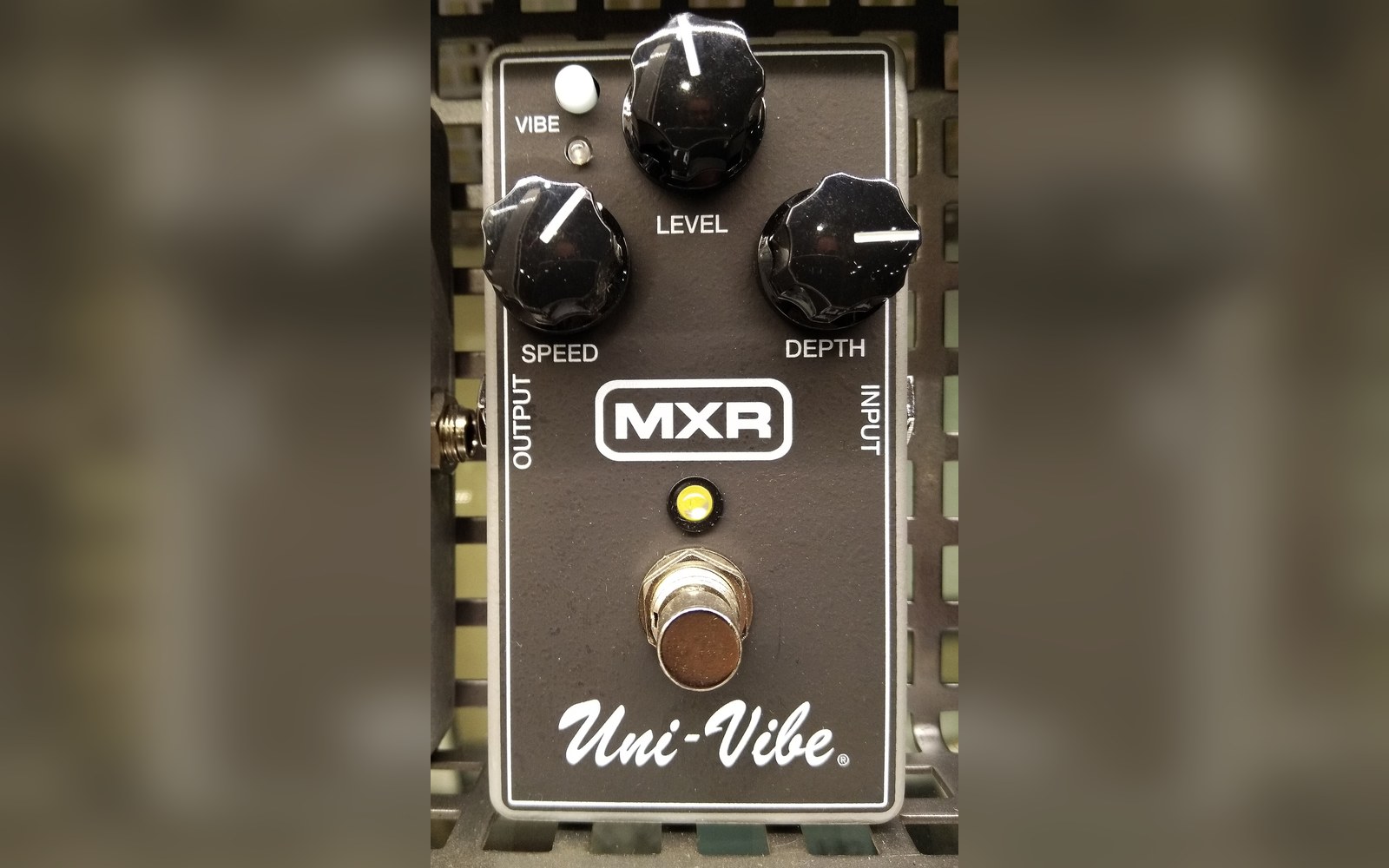
The chorus pedal deserves particular attention here because it functioned differently across all three contexts. In post-punk it was used sparingly, if at all — any effect that made the guitar sound lusher was suspect, a potential slide back toward the rock music the genre was arguing against. In goth it was essential and applied heavily, thickening guitar strings into something closer to a string section and contributing directly to the sense of Gothic grandeur that the genre’s arrangements aimed for. In darkwave it reappeared on guitar to make the instrument sound like a keyboard, completing its transition from rock tool to texture generator. One inexpensive piece of circuitry, three decisions about what a record was supposed to feel like.
The production philosophies that codified these decisions were themselves shaped by label culture. Factory’s insistence on experimental production values, 4AD’s visual and sonic emphasis on beauty and unease, Mute’s embrace of electronic minimalism — these institutional preferences steered the decisions that individual producers and engineers made in the room. They were not iron constraints, but they created gravitational fields that made certain choices feel natural and others feel wrong. A Bauhaus record on Factory would have sounded different from the Bauhaus records that actually exist on Small Wonder, 4AD and Beggars Banquet, even if every guitarist had played the same part with the same guitar.
Same guitar, same drum kit, three arguments about a record’s centre of gravity
The instrumentation, then, is the wrong place to look for the genre split. The right place is the mix, specifically what each tradition placed in the frequency range between the kick drum and the highest vocal note, and what each decided that space was obligated to do. Post-punk left it open. Goth filled it with processed mass. Darkwave poured synthesis into it and called that warmth. Same guitar, same drum kit, three arguments about what a record’s centre of gravity was for — and all three arguments audible the moment the needle drops.
Studios named in this piece
| Studio | Association |
|---|---|
| Strawberry Studios | Stockport, in the Manchester orbit — Hannett and Factory sessions |
| Arrow Studios | Manchester — Hannett and Factory sessions |
| Cargo Studios | Rochdale — Sisters of Mercy, Reptile House, 1983 |
| RAK Studios | London — a major post-punk production facility |
| Eel Pie Studios | London — associated with Cure and Banshees recordings |
Table scrolls sideways →
Related pages